


Building the foundations for learning, confidence, and independence
Executive functioning skills sit at the core of how children and young people learn, regulate, and engage.
The from the Center on the Developing Child describes these skills as the brain’s “air traffic control system” – managing attention, emotions, memory, and behaviour in real time.
Focus and sustain attention
Hold and use information
Manage impulses and emotions
Plan, organise, and follow through
When these systems are under strain, the impact is often misunderstood.
Distraction
Avoidance
Shutdown
Poor Behaviour
…is often a sign that the underlying systems supporting regulation and learning are not yet secure.
At Family Pathway, we focus on strengthening these foundations in ways that are relational, contextual, and grounded in real-world application.
What are Executive Functioning Skills?
Executive functioning is not a single skill – it is a network of interdependent processes.
Research consistently highlights three core areas:
Working memory – holding and using information
Inhibitory control – managing impulses and responses
Cognitive flexibility – adapting to change and shifting thinking
These are not fixed traits.

As leading researcher Adele Diamond highlights, executive functioning develops over time and is highly sensitive to environment, relationships, stress, and opportunity for practice.
This means:
EF is not something a child “has” or “doesn’t have”
It is something that is built, supported, and strengthened over time
The skills behind success in school, college and work

Focusing attention
Adapting to change
Organising thoughts
Following through
Managing emotions

Problem solving
Planning tasks
Working independently
Why These Skills Matter
Executive functioning is one of the strongest predictors of long-term outcomes – often more than IQ.
Access and engage in learning
Regulate emotions in challenging situations
Manage transitions and expectations
Build relationships
Develop independence

This is not about ability.
It is about access.
Disengagement from learning
Increased behavioural incidents
Emotional overwhelm
Reduced confidence and participation
Who We Support
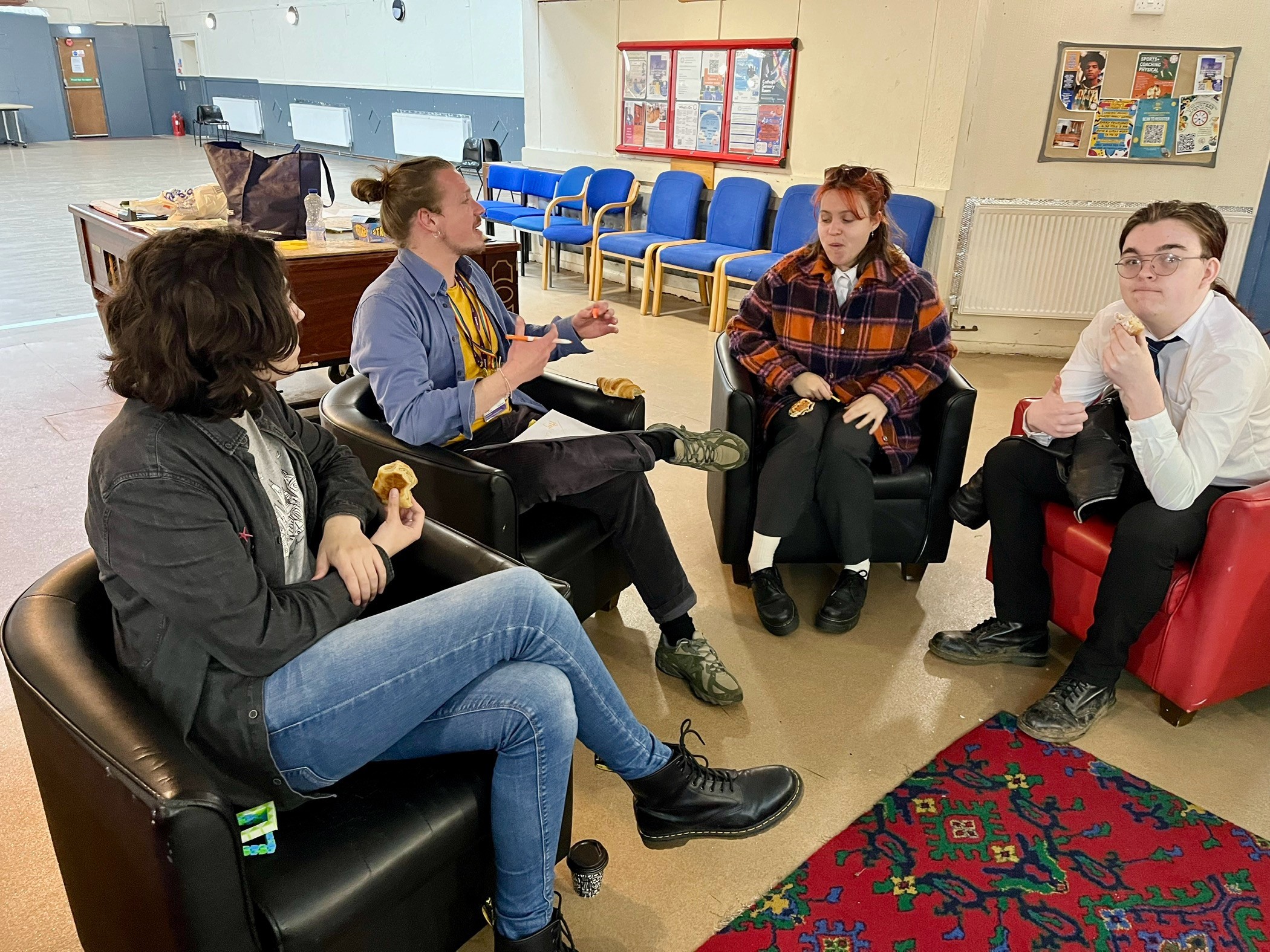
We work with children and young people where executive functioning differences are creating real barriers to access and participation.
This includes young people who are:
At risk of exclusion
Experiencing emotionally based school non-attendance
Living with neurodivergence (ADHD, autism, AuDHD)
Navigating trauma, anxiety, or unmet need
Becoming increasingly disengaged
These are often the young people described as “not coping”.
But in reality:
They are being asked to meet demands their current system cannot yet support.
How We Help
Developmental neuroscience (Harvard Center on the Developing Child)
Executive function intervention research (Adele Diamond)
Relational and person-centred practice
Identifying where breakdown is happening
Strengthening key executive functioning processes
Building realistic, sustainable strategies
Supporting adults to scaffold effectively
Reducing mismatch
Increasing alignment
Building capacity over time
This is not about pushing harder.
Developmental neuroscience (Harvard Center on the Developing Child)
Executive function intervention research (Adele Diamond)
Relational and person-centred practice
Identifying where breakdown is happening
Strengthening key executive functioning processes
Building realistic, sustainable strategies
Supporting adults to scaffold effectively
Reducing mismatch
Increasing alignment
Building capacity over time
Working Across The Wider Environment
When the system changes alongside the individual, progress becomes sustainable.
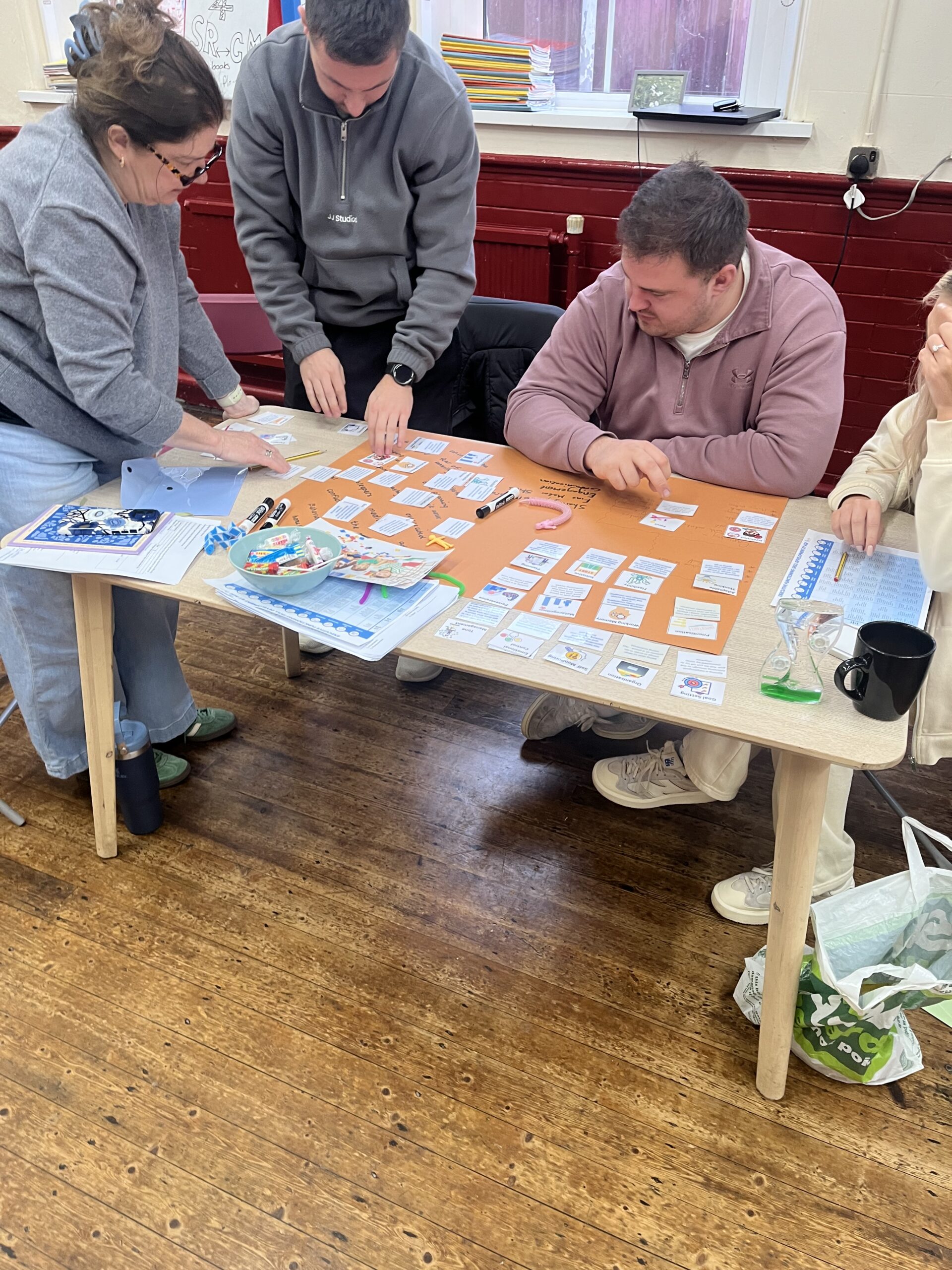
A More Inclusive Approach
Executive functioning develops into early adulthood
Stress, anxiety, and unmet need significantly impact these skills
Practice, relationships, and environment are key drivers of development
highlights that:
children build these skills through repeated, meaningful experiences and supported challenge over time
This changes how we think about support.
Not:
“How do we manage behaviour?”
“What is this young person being asked to do — and what support do they need to do it?”
That shift is where inclusion becomes real.