

Turning confusion into clarity, and plans into action

Helping support start with the individual, not the system
What a setting can manage
What has been done before
What fits within existing systems
Instead of what the child actually needs.
This is where things start to go wrong.
At Family Pathway, we use person-centred planning to:
Bring clarity
Refocus conversations
Build support that actually reflects the individual

What is Person-Centred Planning?
Who the young person is
What matters to them
What support helps them thrive
What is getting in the way
What needs to change
Not just what is currently happening.
This shifts support from:
Reactive → to intentional
Fragmented → to joined-up
Assumption-based → to evidence-informed
One Page Profiles
One of the most effective tools within this approach is the One Page Profile.
A One Page Profile captures the essence of a child or young person in a clear, accessible way helping everyone involved understand how to support them more effectively.
It includes:
What people like and admire about them
What is important to them
How best to support them
This ensures planning starts with strengths and identity not just difficulty or behaviour.
Supporting Better Decisions
Person Centred Planning Becomes Particularly Important When Things Feel:
Unclear
Stuck
Or at Risk of Escalating
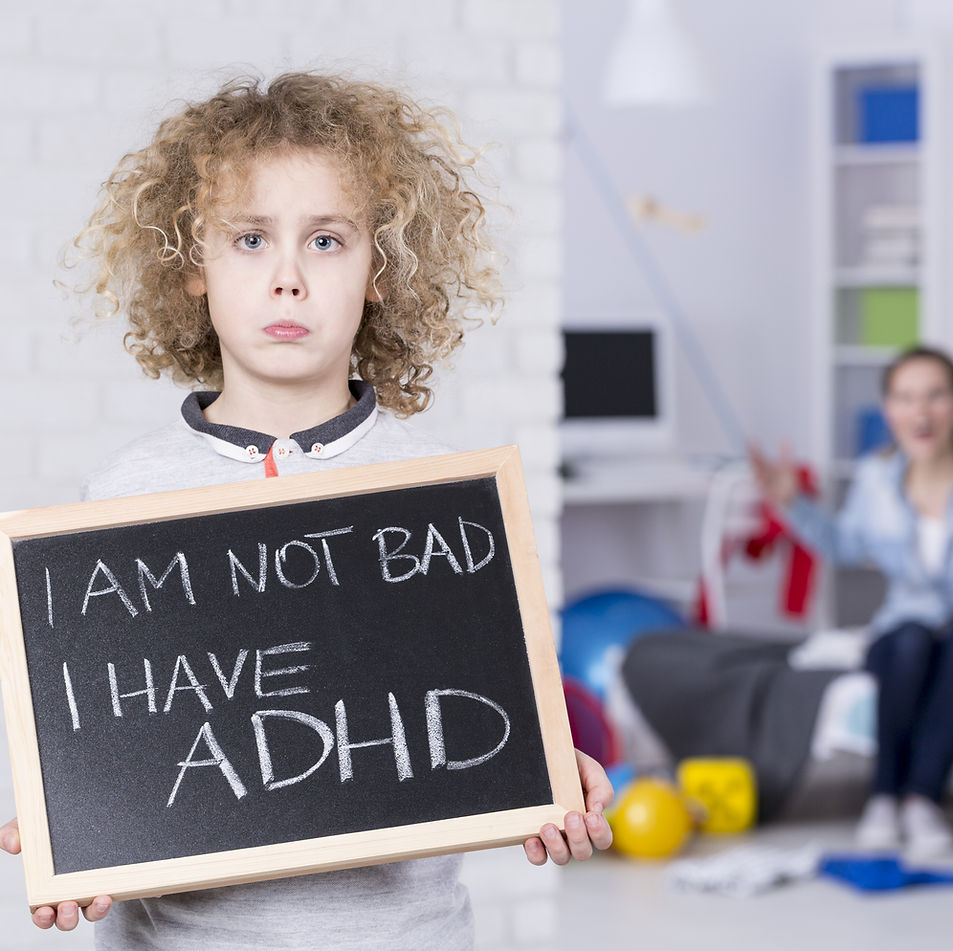
This is often the point where families feel things are slipping.
Our Role Is To:
Bring people together
Create a shared understanding
Support clearer, more defensible decision-making
A child or young person is disengaging
Support in school is not working
Communication between home and school has broken down
Decisions are being made without a full understanding of need
Provision is being questioned or changed
Part-time Timetables and Planning Support
Part-time timetables should only ever be used in exceptional circumstances, and with clear, structured planning.
Too often, They Become:
Informal
Open - Ended
Or used as a way to manage difficulty rather than address it
We Support Families and Professionals to:
Think through these decisions carefully
Ensure they are appropriate and lawful
keep a clear focus on reintegration and inclusion
Not just short-term management.
Why Early Identification Matters
Many children disengage not because they do not want to learn but because their needs are not being recognised early enough.
Punitive
Reactive
Or focused on behaviour rather than cause
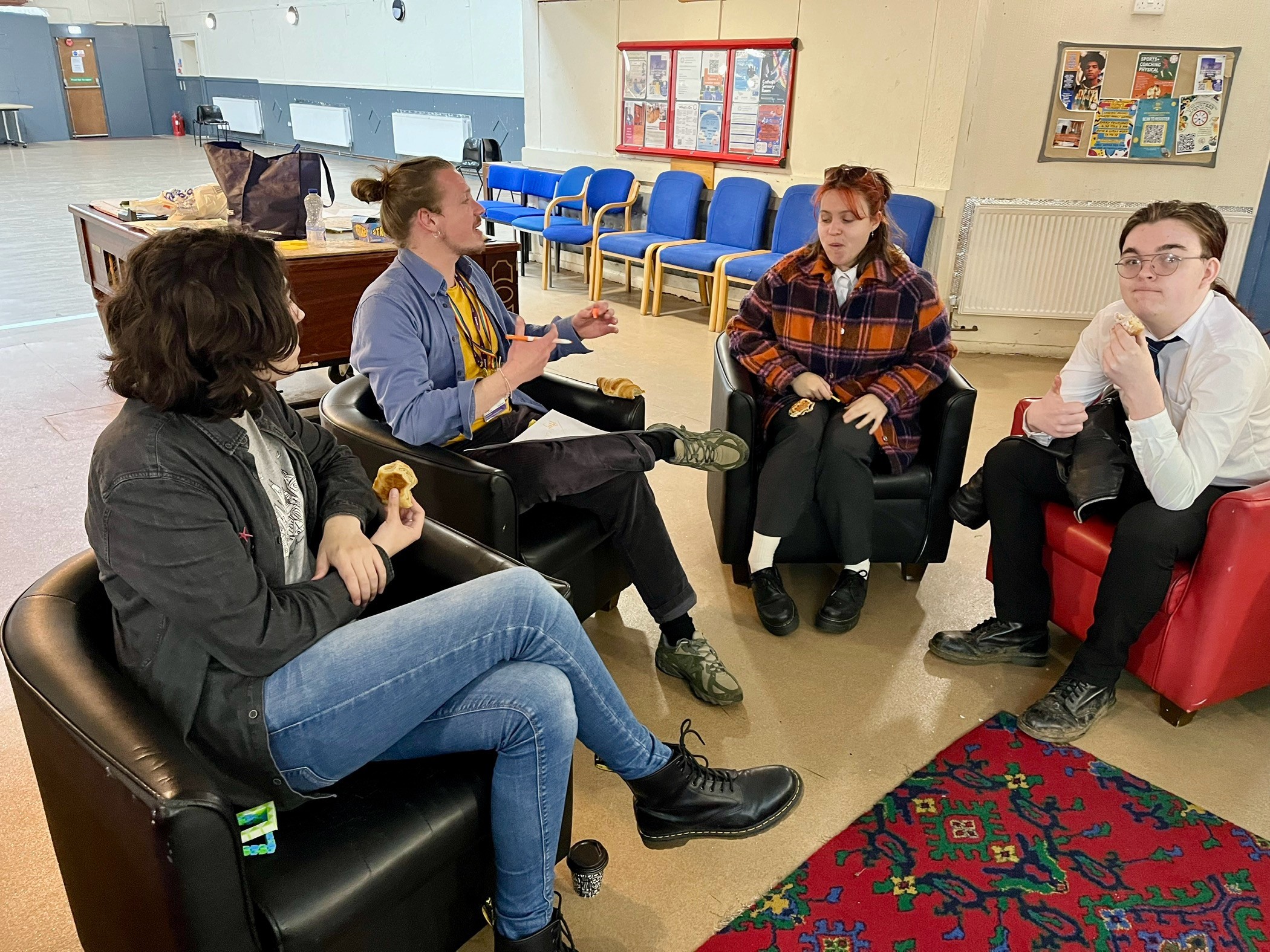
This can lead to:
Exclusion
Reduced Confidence
Emotional Distress
Isolation
Long-term Disengagement
Early clarity changes outcomes.
Person – Centred Planning helps identify need earlier and respond more effectively before things escalate.
A More Joined-up Approach
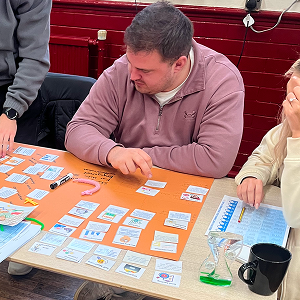
Support works best when everyone involved is working from the same understanding.
We help:
Bring together different perspectives
Reduce conflict between home and school
Create a clearer shared picture
Align support across environments
This is where things start to stabilise.
Who This Support is For
Person – Centred Planning is helpful for:
Parents and carers seeking clearer direction
Schools wanting to strengthen planning and decision-making
Professionals supporting complex or unclear situations
Children and young people at risk of exclusion or disengagement
Situations where attendance or provision is becoming a concern
Start a Conversation
If you would like to explore how person centred planning could support a child, young person, family, or education setting, we are here to help.