


The Reality
Across education and support services, the same patterns are becoming embedded.
Attendance is falling. Disengagement is rising. Behaviour is becoming more complex. Staff capacity is under sustained pressure.
And despite increasing levels of intervention, outcomes are not improving at system level.
%
of secondary pupils in Wales are persistently absent
%
of persistent absence is concentrated in Year 11
%
of persistently absent pupils are from disadvantaged backgrounds
These are not isolated concerns.
They are indicators of a system under strain.
When patterns reach this scale, the issue is no longer about individual pupils alone.
It reflects a structural misalignment between need, environment, and provision.
Sources: Welsh Government (attendance and persistent absence data); Estyn (system pressures, behaviour and engagement trends); Office for National Statistics (disadvantage and attendance patterns)
This Is Not A Pupil Problem
Too often, the response to challenge focuses on the child or young person, rather than the system around them.
More tracking. More pressure. More sanctions. More intervention.
When large numbers of young people are disengaging, we need to ask a different question:
Are they disengaging from learning — or from environments that are not accessible, safe, or responsive to their needs?
Attendance, behaviour, and engagement are not isolated problems to be managed.
They are outcomes of systems that are not yet designed well enough for the people within them.
What This Really Means
Children and young people do not disengage in isolation.
Behind persistent absence, emotional distress, behavioural escalation, or school avoidance, there is often a wider system pattern:
Unmet learning, sensory, and emotional needs
Lack of belonging and psychological safety
Overwhelmed staff and reactive systems
When this is misunderstood, responses often become increasingly punitive, while the root cause remains unchanged.
This is where systems begin to fail – not individually, but at scale.
The Workforce Reality
Teachers are being asked to respond to increasingly complex need – often without the training, support, or system capacity required..
Over 75–80% of education staff report high levels of stress
86% say their job has negatively impacted their mental health
83% identify workload as the main cause of stress
64% report no effective systems in place to manage stress and burnout
This is not simply a workload issue.
It is a system capacity issue.
Supporting learners without supporting the workforce is not sustainable.
Sources: NEU Teacher Wellbeing Index (2025); NASUWT Wellbeing Survey; Education Support; Tes Workforce Reports
The Cost Of Getting This Wrong
Disengagement becomes entrenched
Mental health deteriorates
Young people move towards NEET pathways
Demand on statutory services increases
When needs are not met early, the cost does not stay in education.

This is the cost of getting it wrong.
£100,000+ lifetime cost of NEET outcomes
£200,000–£300,000 per year for youth custody
£500,000+ per year for specialist placements
Sources: Department for Education; Audit Commission; Youth Justice Board; National Audit Office; Welsh Government
Our Approach
From behaviour management → access design
From intervention → environment
From compliance → belonging and regulation
These are practical, system-level principles developed through direct work across education, community, and service settings.
What Our Model Is Designed To Do
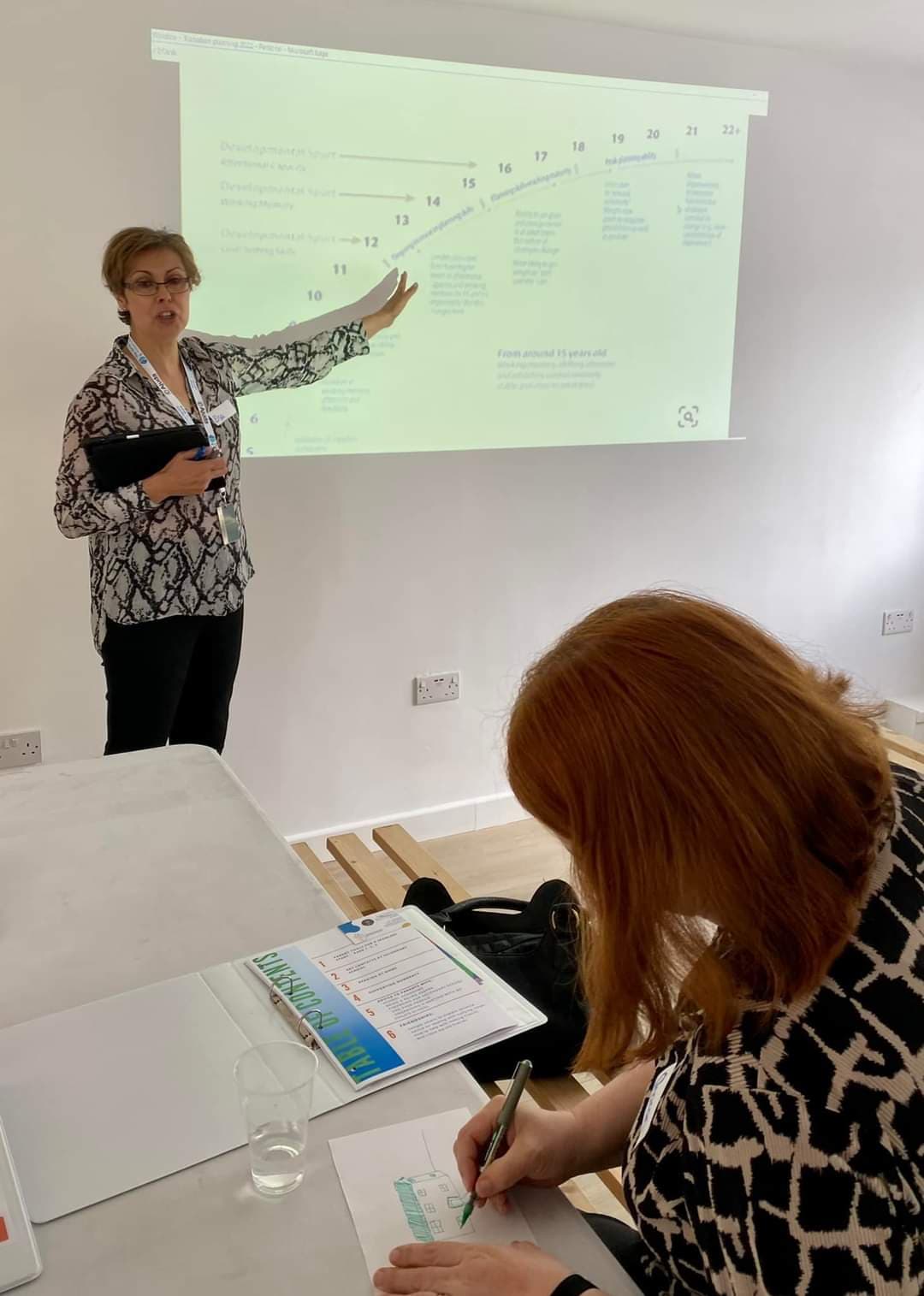
The Family Pathway model supports organisations to identify what is driving difficulty – at both individual and system level – and redesign responses accordingly.
Rather than focusing only on surface – level indicators, we support organisations to look underneath these patterns through structured enquiry:
What is the learner experiencing?
What is the environment demanding?
What needs to change for access to become possible?
This creates a more precise and effective starting point for support.
How This Translates Into Practice
Our work bridges the gap between understanding and implementation.
We move beyond awareness into practical, embedded, day-to-day change.
This Includes:
Whole-organisation inclusion reviews
Staff training and embedded coaching
Executive functioning and regulation frameworks
Person-centred and engagement-focused approaches
Our Work Enables Organisations To:
Reduce persistent absence through relational and environmental redesign
Improve engagement by strengthening access to learning
Increase staff confidence in responding to complex need
Reduce reliance on exclusion and crisis-led responses
Build sustainable, internally-led inclusion systems
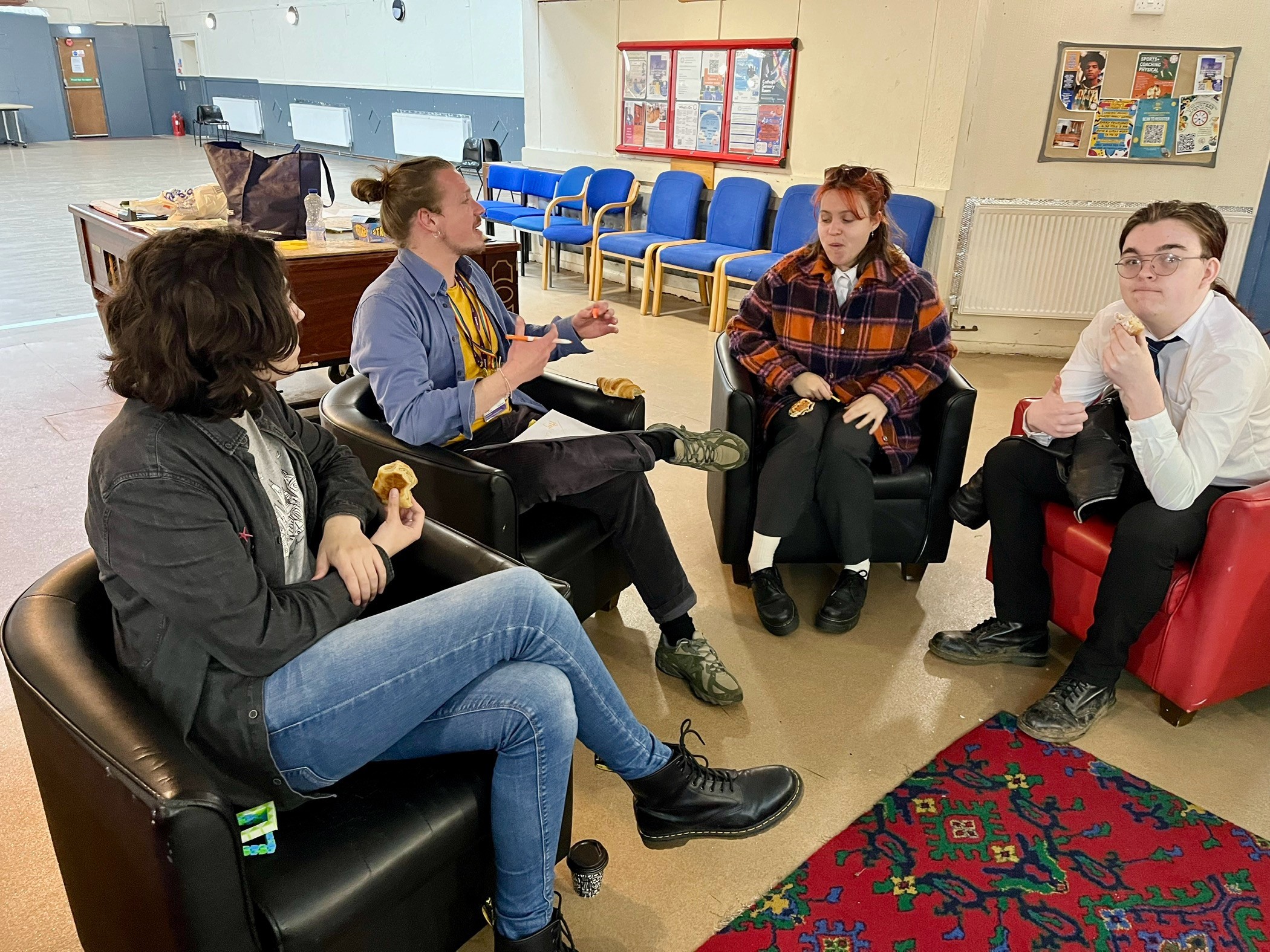
More Than One-Off Training
Critically evaluate what is and is not working
Strengthen internal capability and confidence
Develop joined-up, system-wide responses
Reduce reliance on reactive, crisis-led approaches
Why Organisations Work With Family Pathway
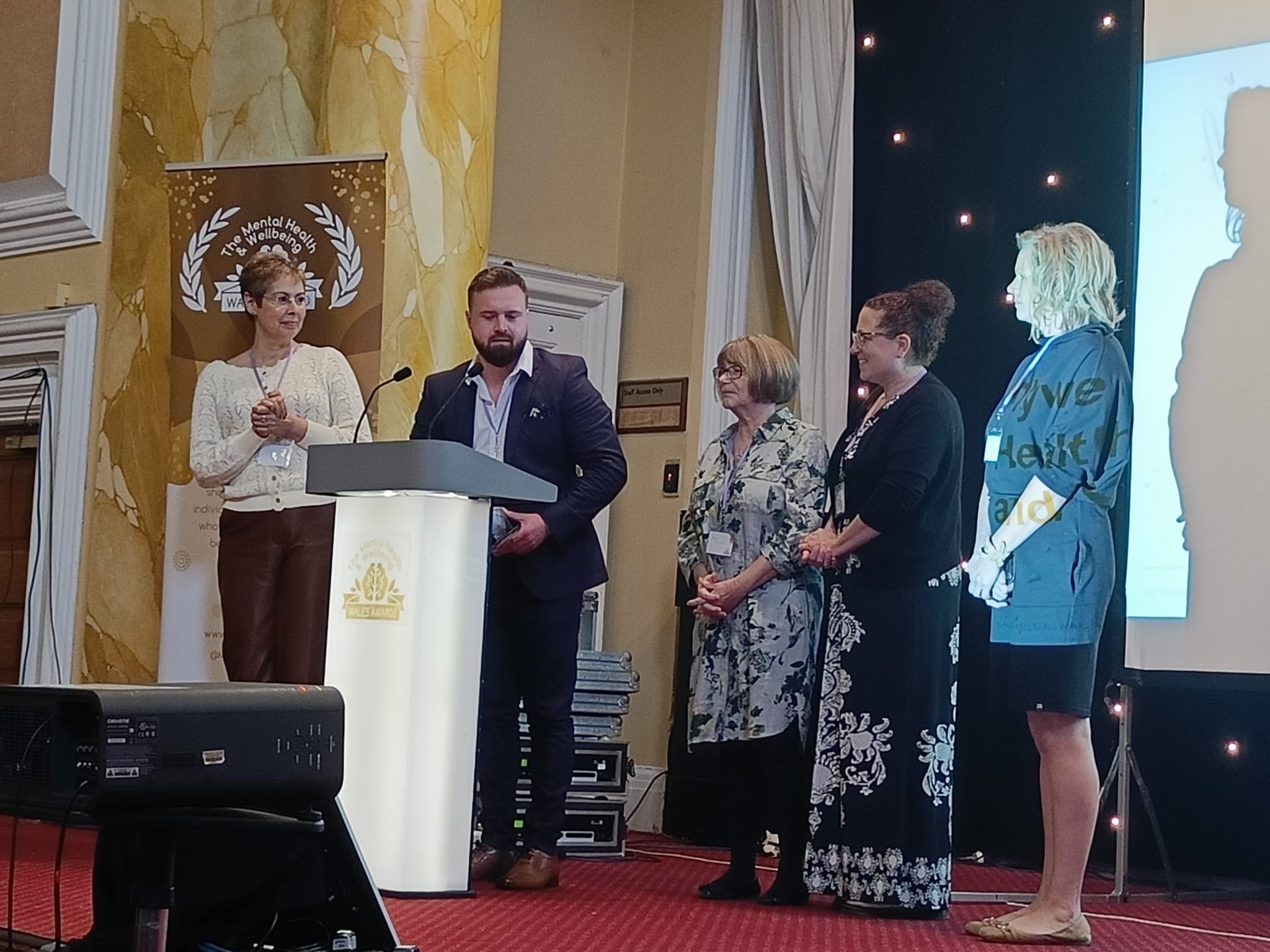
We build workforce capability
We redesign environments for access
We translate research into practical implementation
We strengthen belonging and participation
We create internally sustainable systems
Let’s do this differently
Start a Conversation
How We Create Impact
From understanding need → to improving access → to strengthening outcomes
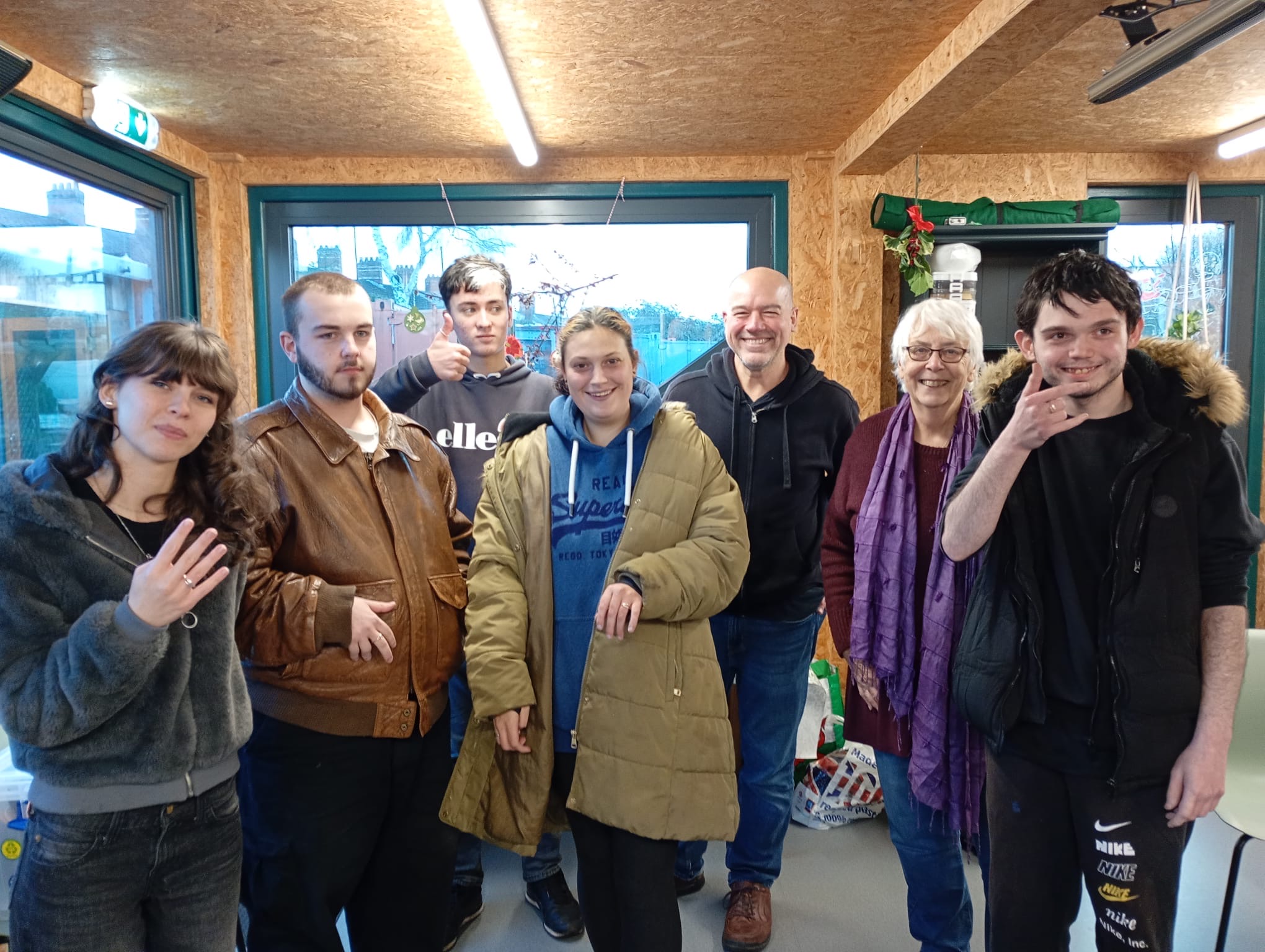
1
Build Capability


2
Improve Access

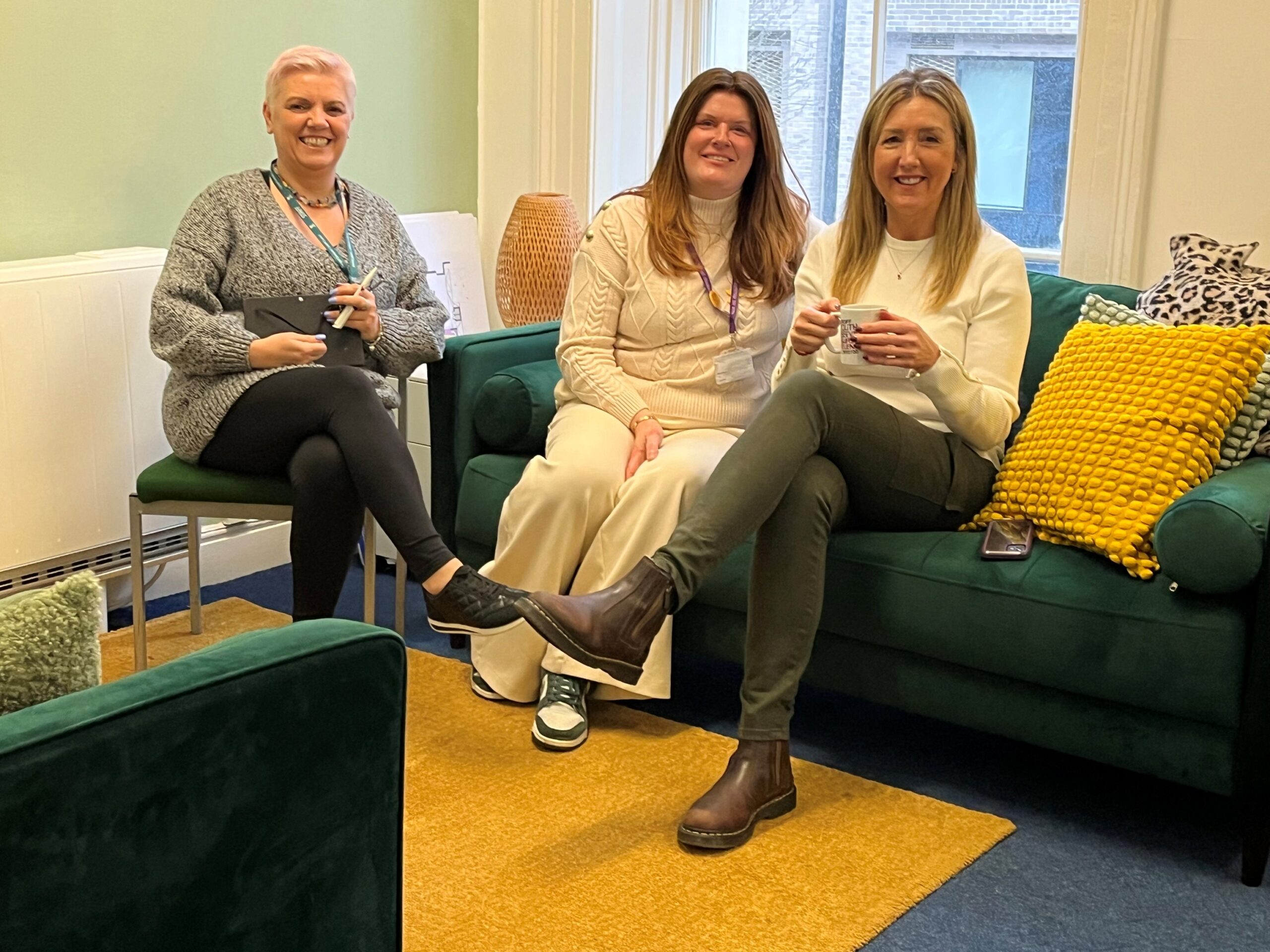
3
Design Enviroments

4
Lead Inclusion

5
Redesign System
