
A healthy childhood should include joy, play, friendship, and the freedom to learn without feeling that who you are is a problem. Yet for many children with additional learning needs, navigating the school day is something to merely survive.
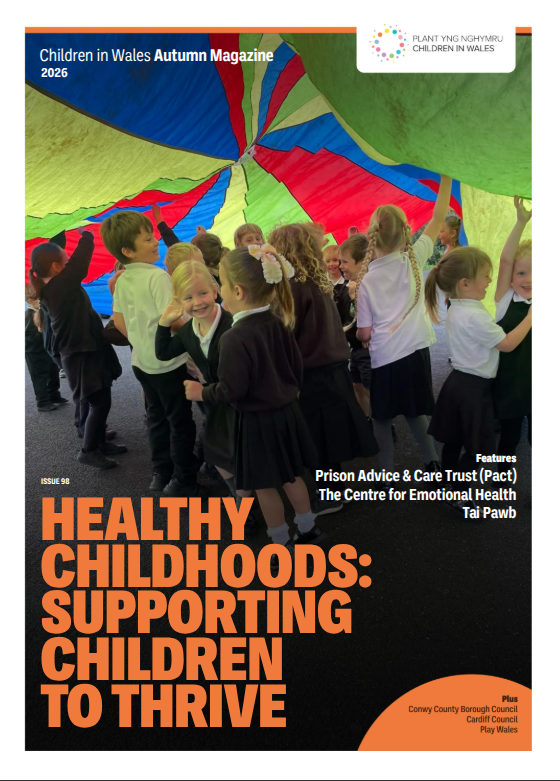
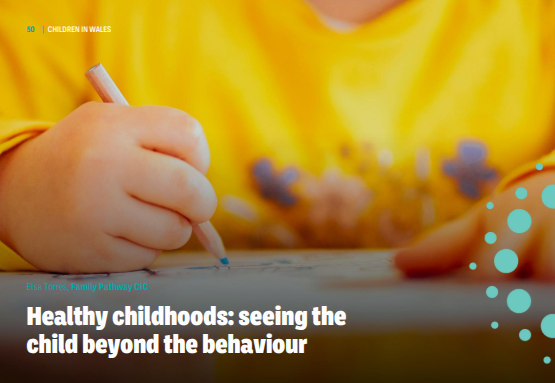
I am pleased to share my latest article, “Healthy childhoods: seeing the child beyond the behaviour,” published in the Autumn 2026 edition of Children in Wales magazine.
In the piece, I explore the experience of “Sam”—a composite drawn from family advocacy whose distress in the classroom is often met with incident logs, labels of defiance, and well-intentioned interventions that can inadvertently leave him feeling isolated from his peers.
The article reflects on key questions for schools, alternative provisions, services, and families:
- Shifting from management to curiosity: Why we must ask what is driving a child’s overwhelm—from inaccessible tasks to sensory strain—rather than simply reacting to the disruption.
- Protecting belonging: Recognising that relationships, play, and peer connection are vital to wellbeing, and ensuring support keeps children connected rather than separated.
- Centring learner and parent voice: Applying practical frameworks like the Lundy model so that a child’s perspective and their family’s insights actively shape professional decisions.
As we consider healthy childhoods across Wales, success cannot simply be measured by a reduction in incidents; a quieter child is not necessarily a happier child. True progress happens when children know they belong, their voices are heard, and the adults around them share collective responsibility for their wellbeing.
You can read the full article in the Autumn 2026 issue of Children in Wales online:
Read the full article – Children in Wales Autumn 2026 Issue