


What gets labelled :
Disruptive
Avoidan
Oppositional
Lazy
Difficult
is often :
Overwhelm
Anxiety
Executive functioning difference
Sensory load
Unmet communication needs
Nervous system dysregulation
When we understand the pattern, outcomes change.
Who is This For?
How We Create Impact
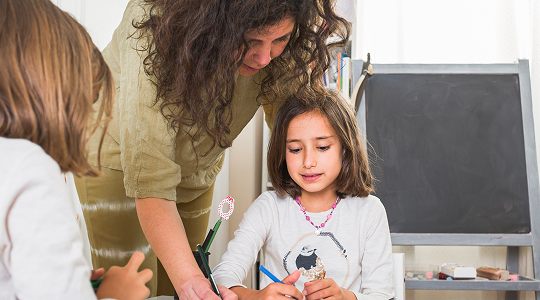
Build Capability
Specialist training and reflective supervision that deepen understanding of need, strengthen professional confidence, and improve day-to-day inclusive practice.

Improve Access
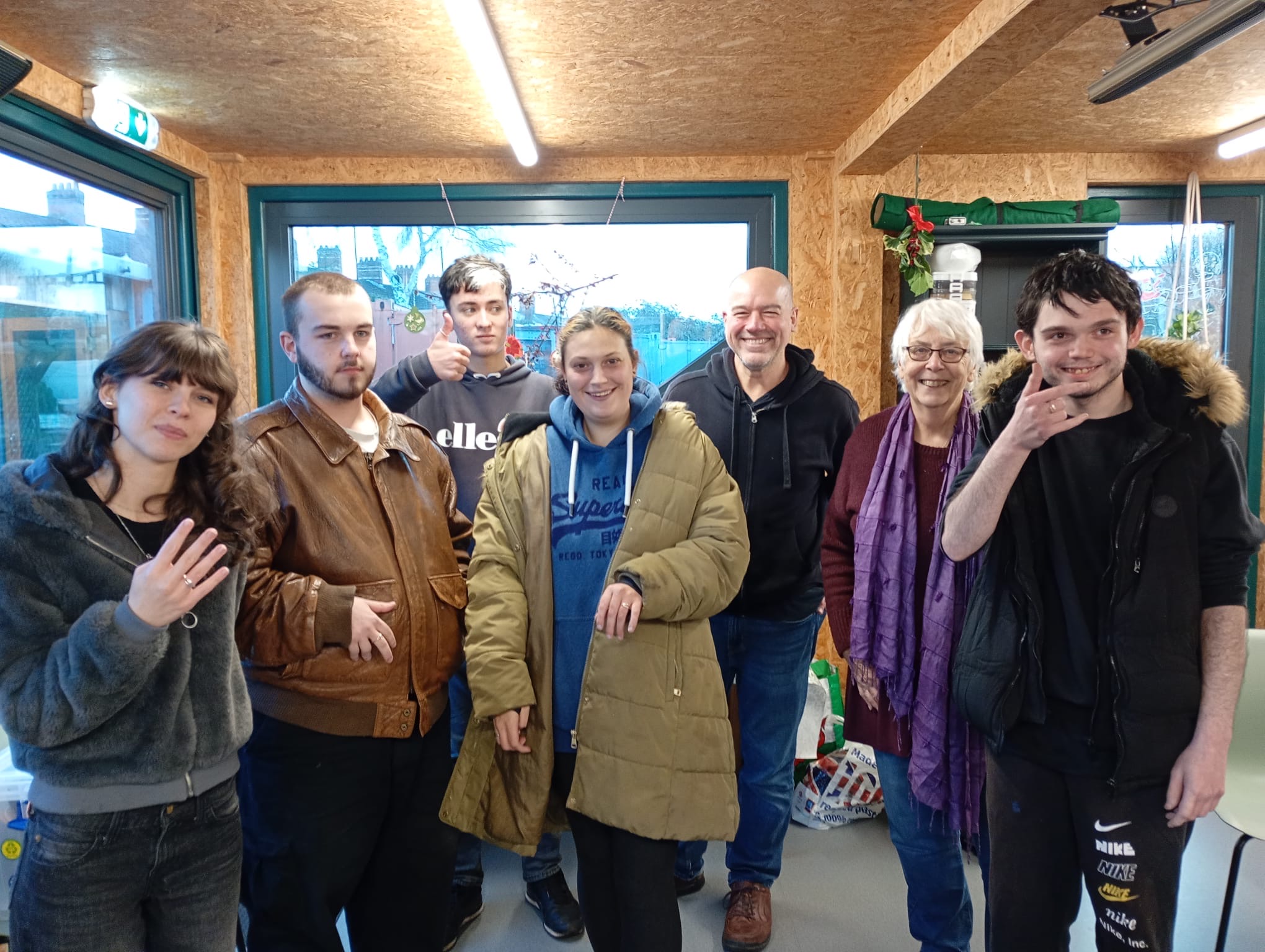
Universal Design for Learning and inclusive practice development that reduce barriers, widen participation, and create environments where more learners can thrive.
Person-Centred Design
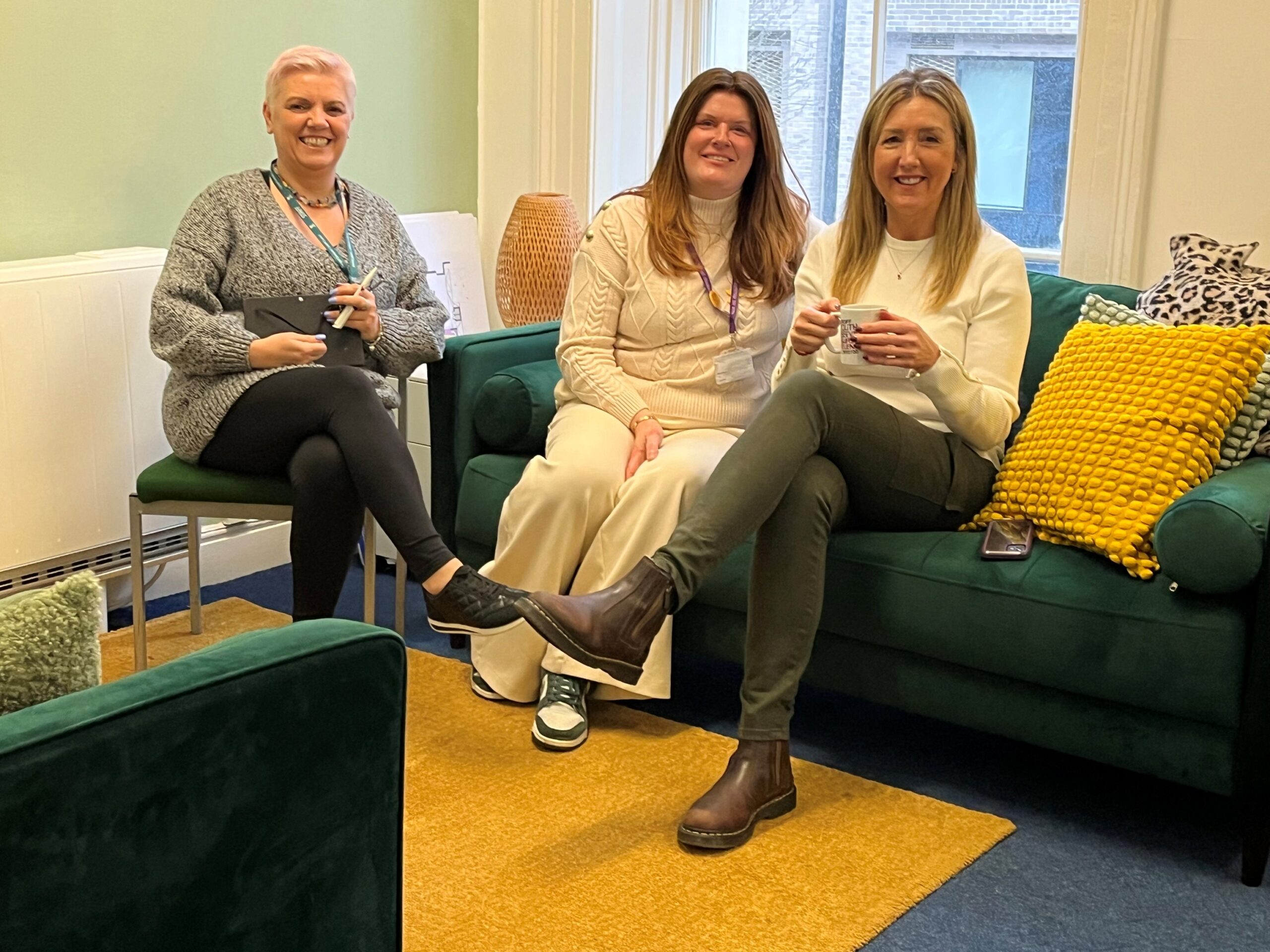
Adapting spaces for access and participation that respond to individual needs, strengths and preferences, supporting belonging, engagement and independence.
Lead Inclusion
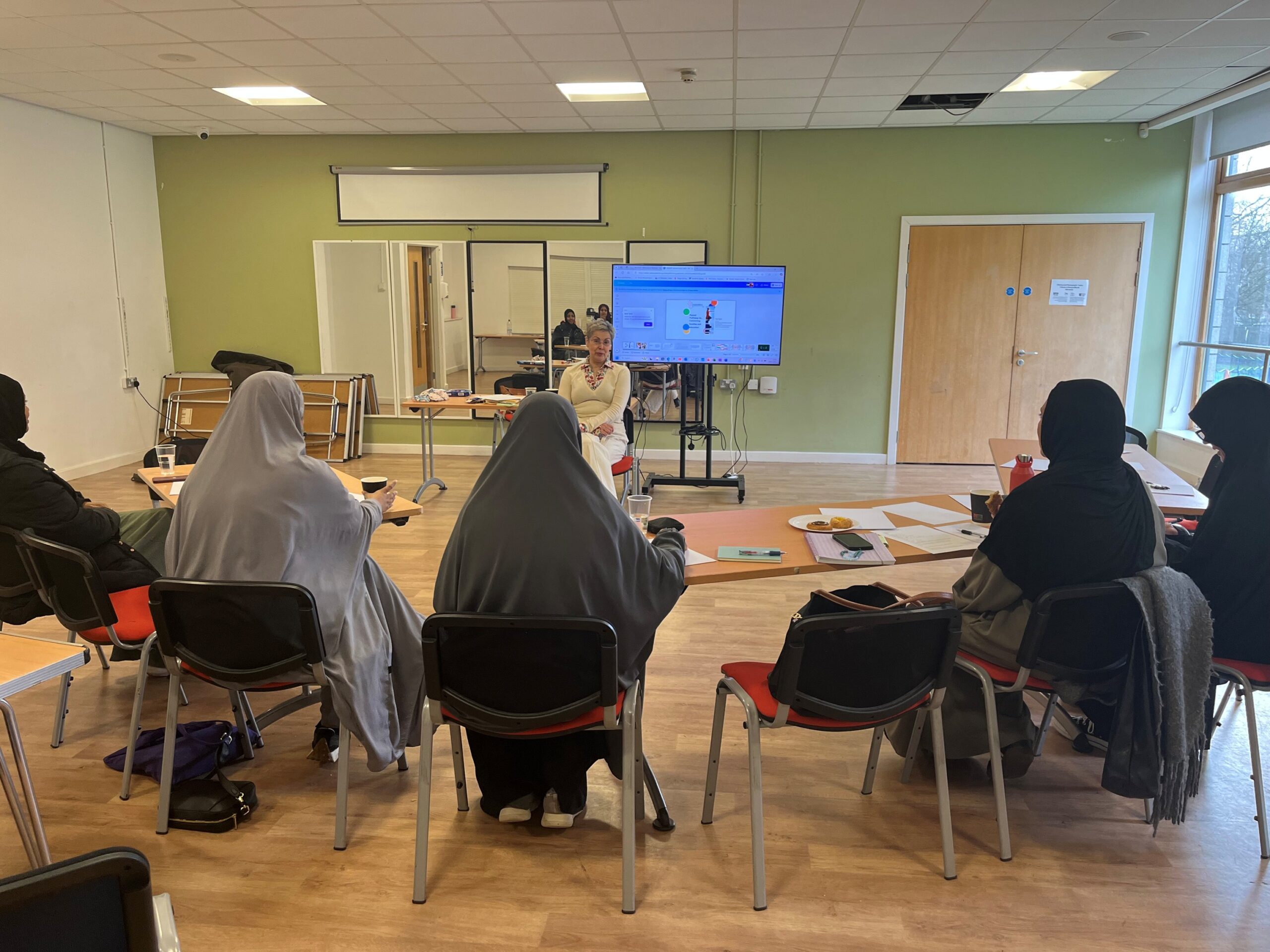
Leadership development and strategic support that strengthen decision-making, build workforce capability, and create cultures where inclusion is everyone’s responsibility.
Redesign System
Provision development and inclusion strategy that move organisations away from reactive, crisis-led responses toward sustainable, evidence-informed models that work.
Family Pathway Helps Children, Families and Professionals Build the Conditions for:
Access to learning
Stronger emotional regulation
Belonging
Improved relationships
Confidence and independence
Meaningful pathways into adulthood, training and work
Looking Beyond Behaviour
ADHD can affect how a child or young person:
Processes information
Manages emotions
Plans and completes tasks
Responds to pressure
Navigates school and social environments
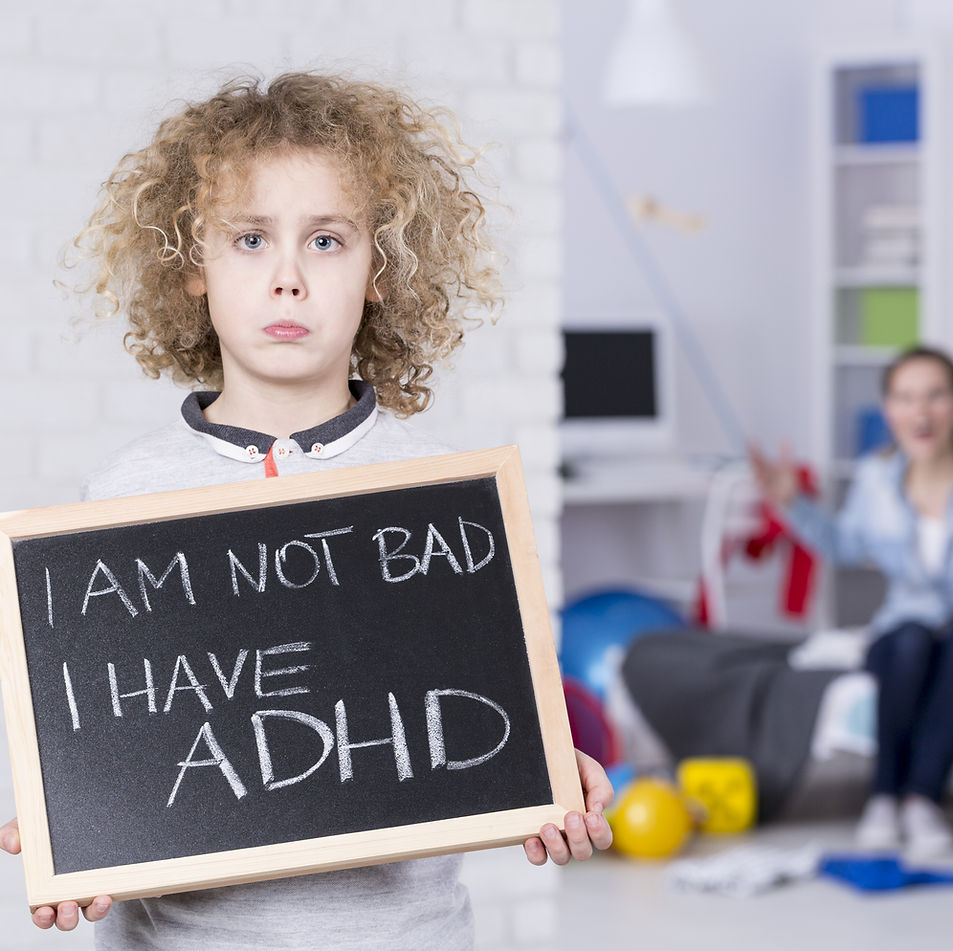
This is not about defiance. It is about mismatch.
What is often described as “challenging behaviour” may actually reflect:
Emotional overwhelm or dysregulation
Unmet sensory or communication needs
Anxiety or low confidence
Differences in executive functioning
Environments that are not aligned with need
How We Support
We take a person-centred, whole-child approach. We focus on what is getting in the way of access, participation, and belonging — not just the behaviour being seen.
Support may include helping the learner to:
Improve focus and organisation
Build communication and literacy confidence
Develop self-regulation strategies
Reduce overwhelm
Increase engagement with learning
Working together
Support is most effective when the adults around a learner share the same understanding.
We often work with:
The young person
Their family
Their school or setting
This creates more consistent support, stronger relationships, and more sustainable progress.
When to seek support
Struggling to engage in school
Experiencing emotional or behavioural difficulties
Frequently in conflict or feeling misunderstood
Becoming increasingly anxious or overwhelmed
If this feels familiar, you are not alone – and there are ways forward.
Understanding The Pattern
Children and young people with ADHD and AuDHD are significantly overrepresented in:
Exclusion | Persistent absence | Emotionally based school avoidance
This is rarely about ability.
It reflects a mismatch between learner need and environmental demand.
Moving Beyond Behaviour-Led Responses
What presents as behaviour is often:
Executive functioning difference
Dysregulation
Sensory or communication need
Anxiety or unmet need
Without this understanding, responses become:
Reactive
Inconsistent
Increasingly punitive
Building Staff Confidence and Capacity
We support schools and organisations to:
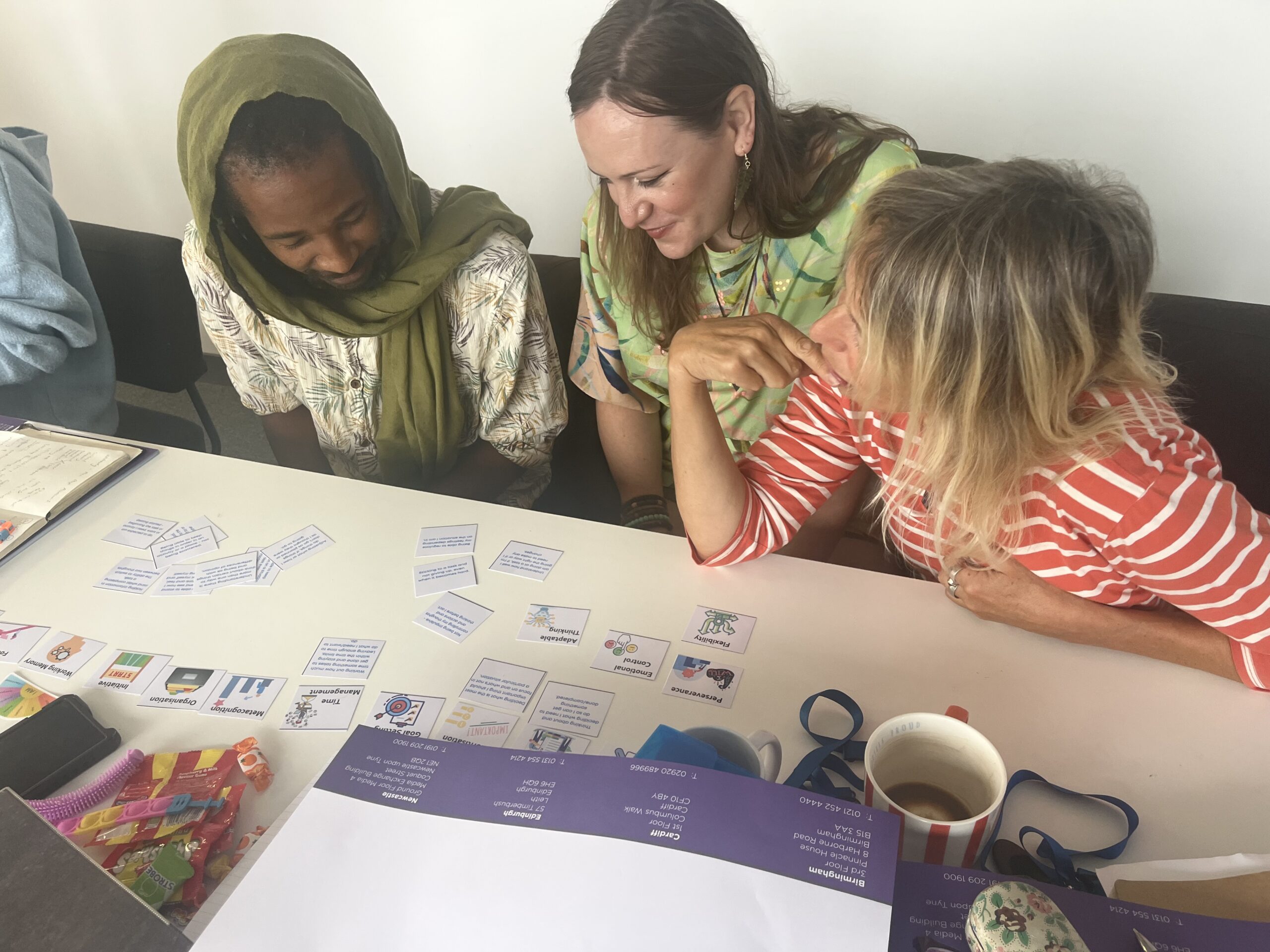
Understand executive functioning in real contexts
Strengthen relational and regulation-informed practice
Improve staff confidence in responding to complexity
Reduce reliance on behaviour-first approaches
Our focus is practical – supporting staff to move from awareness to implementation.
Strengthening systems, not just individuals
Sustainable change does not come from individual intervention alone.
We work with organisations to:
Reduce crisis-led responses
Strengthen inclusive, whole-setting approaches
Improve consistency across staff teams
Support more effective decision-making
This builds system capacity – not dependency.
Why This Matters
Early misunderstanding often leads to escalation – not because needs increase, but because they are not recognised early enough.
Children and young people can spend years feeling misunderstood before the right support is in place.
When understanding improves, outcomes begin to shift.
Helping Young People Feel Understood
When a child or young person is properly understood, you may begin to see:
Reduced overwhelm
Improved engagement
Stronger relationships
Increased confidence
This is not about “fixing” the young person.
It is about creating the conditions where they can access learning and feel a sense of belonging.
Feedback From Services
The impact of this work is often felt beyond school outcomes – in confidence, relationships, and everyday life.
Families often tell us that the biggest shift is understanding.
Start a Conversation
Whether you are a parent seeking support or a professional looking to strengthen practice, we are here to help.